Your Town’s Climate Future: How Global Policy Battles Shape Local Realities
The Clock Strikes 2030: When Global Deadlines Meet Main Street
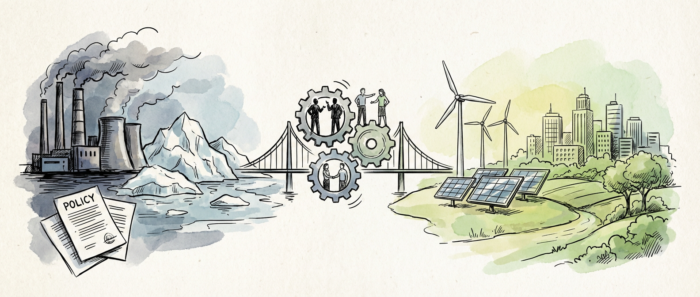
The latest report from the world’s climate scientists draws a stark line in the sand at 2030, calling it the moment when humanity must have dramatically altered its carbon trajectory to avoid catastrophic warming. But what does this global deadline mean for the factory worker in Ohio, the farmer in Iowa, or the small business owner in Phoenix? The answer lies in understanding how sweeping policy changes ripple through communities, reshaping economies and livelihoods in ways that reach far beyond boardrooms and international summits.
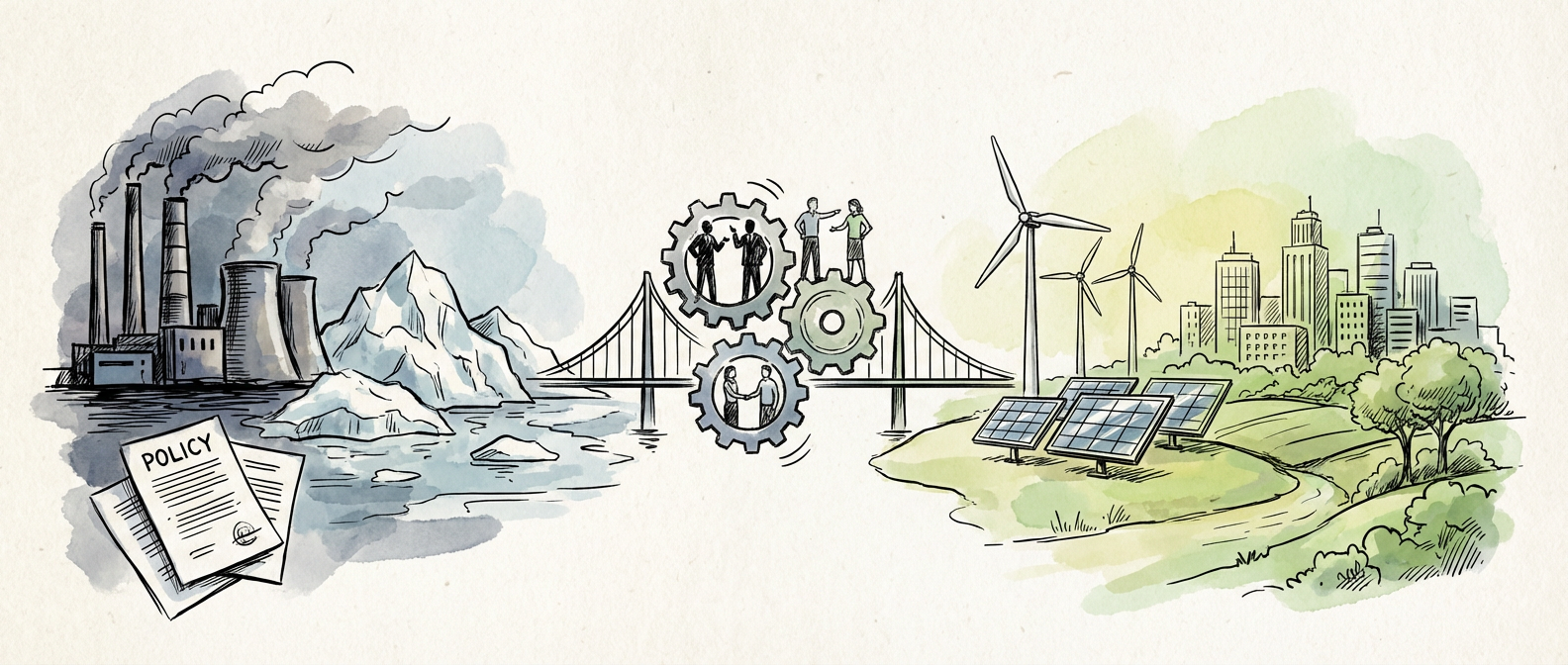
This decade is more than an environmental milestone. It represents a period of unprecedented economic restructuring, where decisions made in Washington, Brussels, and Beijing will determine whether your local power plant closes, whether new manufacturing jobs arrive, and whether your community gets investment or watches capital flow elsewhere. The climate transition isn’t an abstract policy debate, it’s the defining economic force that will reshape American communities over the next decade.

The New Economics of Carbon: Who Pays and Who Profits
Nearly a quarter of the world’s carbon emissions now face some form of pricing mechanism, creating a patchwork of policies that directly influence where companies build facilities and how they run operations. In practical terms, this means businesses in regions with carbon pricing face higher costs for emissions-heavy activities, while those in unregulated areas get competitive advantages. For American communities, this dynamic creates winners and losers based largely on policy choices made at state and federal levels.
Consider how carbon pricing affects industrial communities differently. A steel town in Pennsylvania faces pressure as European competitors operate under established carbon markets that reward cleaner production, while Asian producers in regions without carbon constraints can undercut on price. Meanwhile, communities that have invested in renewable energy infrastructure or clean technology manufacturing find themselves positioned to benefit from this global shift toward carbon accountability.
The emerging reality suggests that communities which anticipate and prepare for carbon pricing will thrive, while those that resist or ignore these trends risk economic marginalization. Carbon Brief climate analysis reveals how these pricing mechanisms create cascading effects through supply chains, ultimately influencing everything from job creation to real estate values in affected communities.
Industrial Policy’s Return: The Battle for Clean Energy Manufacturing
The United States, European Union, and China are engaged in unprecedented competition for dominance in clean energy industries, deploying massive public investments to build domestic manufacturing capabilities. This is the largest peacetime industrial mobilization since World War II, with governments pouring hundreds of billions into battery plants, solar panel factories, wind turbine facilities, and electric vehicle production lines. For American communities, this means a potential manufacturing revival or continued industrial decline, depending on their ability to attract these investments.
The Inflation Reduction Act alone directs over $370 billion toward clean energy investments, creating opportunities for communities that can position themselves as attractive locations for new facilities. Towns across the Midwest and South are competing fiercely for battery manufacturing plants, offering tax incentives and infrastructure improvements to land facilities that promise thousands of well-paying jobs. Success in this competition often depends on existing workforce capabilities, transportation infrastructure, and political leadership willing to embrace the transition.
However, this industrial policy also creates regional tensions. Communities heavily invested in traditional energy industries watch as federal dollars flow toward competitors building clean energy alternatives. Coal mining regions see billions invested in solar panel manufacturing while their own economic base erodes. The geographic distribution of these investments will determine which regions emerge as clean energy powerhouses and which are left behind in the transition.
The Justice Question: Ensuring Fair Transitions for Fossil Fuel Communities
The concept of “just transition” has moved from academic circles to policy reality as governments grapple with the social costs of moving away from fossil fuels. Communities built around coal mining, oil refining, and natural gas extraction face particular challenges as their economic foundations shift. These areas often lack economic diversification, making them especially vulnerable to rapid changes in energy markets.
Federal and state programs now explicitly address these concerns, directing transition funding toward affected communities and workers. The Infrastructure Investment and Jobs Act includes specific provisions for coal communities, while various state programs help retrain workers for renewable energy jobs. Yet the scale of these programs often falls short of addressing the magnitude of economic disruption facing fossil fuel-dependent regions.
The challenge extends beyond job retraining to include entire community identities and social structures. Towns where multiple generations worked in mines or refineries must reimagine their futures around different industries. Some successfully transition to become manufacturing hubs for clean energy equipment, while others struggle with population loss and economic decline. The success of just transition efforts often depends on early recognition of changing market forces and proactive community planning.
Global Promises and Local Realities: Climate Finance and Community Vulnerability
International climate negotiations have established mechanisms for supporting vulnerable nations through loss and damage funding, but these same principles apply at the community level within developed countries. Climate impacts disproportionately affect lower-income communities and regions with limited ability to adapt, creating domestic equity challenges that mirror international climate justice concerns.
The underfunding of global climate commitments reflects similar patterns in domestic policy, where communities most vulnerable to climate impacts often lack resources for adaptation and resilience building. Coastal towns facing sea-level rise, agricultural regions confronting changing precipitation patterns, and urban areas dealing with extreme heat all require significant investments that frequently exceed local fiscal capacity. Climate Policy Initiative research shows how climate finance gaps at the community level can perpetuate existing inequalities while creating new forms of economic vulnerability.
Corporate climate commitments, meanwhile, face increasing scrutiny for their actual impact on local communities. Many companies announce ambitious net-zero targets while continuing operations that impose environmental costs on nearby residents. The growing focus on greenwashing reflects community demands for real rather than symbolic corporate climate action. Local leaders increasingly demand concrete benefits from corporate climate initiatives, including job creation, reduced pollution, and genuine community investment.
Understanding these dynamics empowers communities to navigate the climate transition strategically, identifying opportunities while protecting against potential negative impacts. The communities that emerge strongest from this transition will be those that engage actively with these policy debates, recognizing that global climate action creates local consequences that demand local responses and local leadership.