Trump’s Second-Term Tariff Regime at One Year: Measuring the Real Economic and Diplomatic Fallout
The Tariff Architecture: What Actually Got Built
Let’s start with what happened, because the details matter more than the headlines. In early 2025, President Trump signed a series of executive orders that fundamentally restructured how tariffs flow into the American economy. The baseline sat at 10 percent on most imports across the board. But the real story was in the exceptions. Canadian and Mexican goods faced a 25 percent tariff wall, a striking move against two nations bound to the United States through the USMCA trade agreement. Chinese imports faced the steepest climb, with selected categories hitting 60 percent or higher. This wasn’t a single tariff; it was a tiered system designed to apply maximum pressure on specific trading partners while keeping a floor beneath all imports.
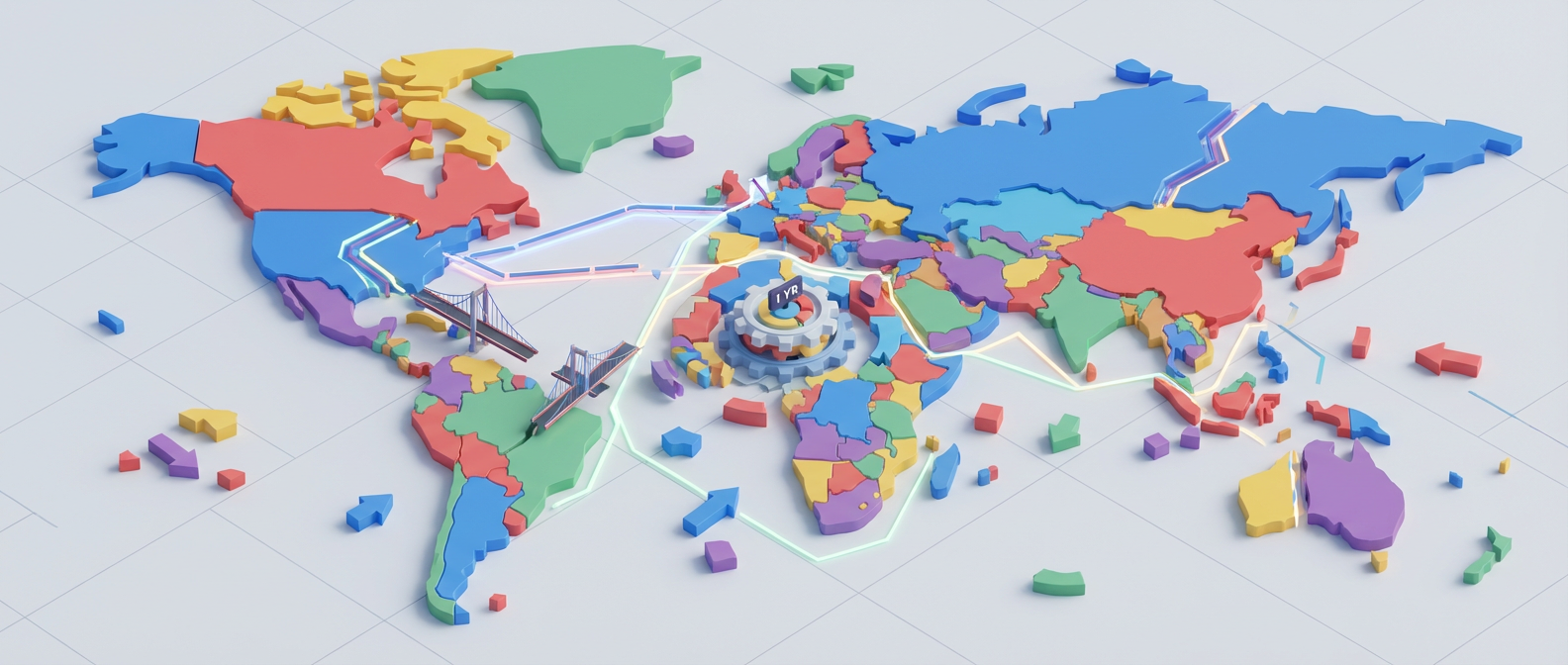
The architecture matters because it tells us something about the strategic thinking. The framework wasn’t random. It targeted the countries the administration viewed as the biggest competitive threats, the nations closest to American manufacturing hubs, and the economy that had been the subject of contentious trade disputes for years. The structure suggested someone had thought through the mechanics, even if reasonable people might question the wisdom of those choices.
The Household Budget Reality: Following the Money Home
Here’s where the abstract becomes concrete. The Peterson Institute for International Economics ran the numbers in mid-2025 and concluded that the tariff package could reduce real household income by an average of 1,700 dollars annually per American family. Think about that figure. That’s money that doesn’t appear in paychecks or show up as smaller bills. It’s purchasing power that vanishes, spread across the economy in ways that are felt but not always traced back to their source. For a median household, that’s somewhere between one and two percent of annual income, depending on spending patterns. For families already stretching paycheck to paycheck, that’s a real hit.
What made this analysis credible was that it came from an institution without an obvious partisan axe to grind. The Peterson Institute does this kind of trade analysis across administrations. The methodology involved tracking how tariffs increase input costs for businesses, how businesses pass those costs to consumers, and how reduced consumer purchasing power then ripples through the broader economy. This wasn’t speculation. It was mechanism-based analysis that economists can track and verify through actual data.
The Federal Reserve’s own regional observers noticed the same dynamic in real time. In March 2025, the Beige Book reported price pressures in manufacturing and retail sectors across seven of the twelve Federal Reserve districts. Business leaders weren’t hiding their reasoning. They directly attributed the increased costs to higher import prices. The tariff regime was working exactly as economics textbooks say it would: making things more expensive for consumers.
The Alliance Stress Test: When Trade Partners Fight Back
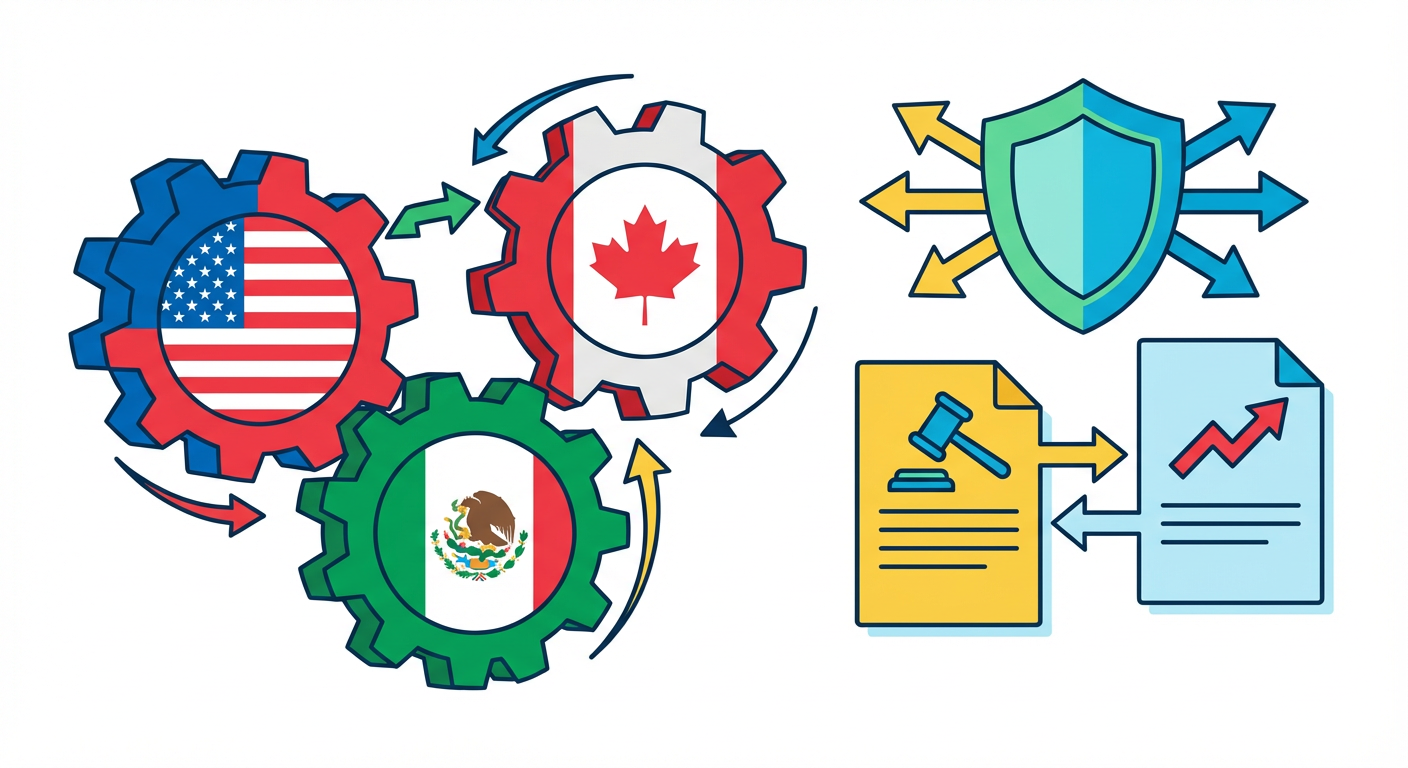
One of the most revealing moments came not in American politics but in international trade law. Canada and Mexico, our closest trading partners and fellow USMCA signatories, triggered the agreement’s dispute resolution mechanisms within weeks of the tariffs taking effect. This wasn’t posturing. This was two nations saying they believed the United States had violated the terms of a binding agreement signed just five years earlier.
The precedent here matters. The USMCA had been held up as a successful renegotiation of NAFTA, a deal the Trump administration itself had championed in the previous term. Now, less than a year into a second term, the same agreement was being tested in ways it hadn’t been before. The dispute resolution process generated real uncertainty in sectors like automotive manufacturing and agriculture that depend on tightly integrated cross-border supply chains. Farmers couldn’t plan planting seasons with confidence. Auto suppliers couldn’t lock in production schedules. That uncertainty has a cost, even when it doesn’t show up cleanly in GDP calculations.
The Global Consequences: Watching the System Strain
The tariff regime didn’t exist in isolation. The World Trade Organization released its 2025 Global Trade Outlook and made a painful revision, downgrading the global trade growth forecast by 1.7 percentage points. That’s substantial. WTO Director-General Ngozi Okonkwo-Iweala identified unilateral tariff escalation as the primary driver of that downward revision. The American tariff moves weren’t a small factor; they were the main factor pushing down global trade expectations. You can follow the detailed analysis in the WTO 2025 Global Trade Outlook.
This matters for Americans in ways that go beyond international diplomacy. When global trade slows, American exporters face resistance. When other nations face economic pressure, they become less stable trading partners and less reliable allies. When multinational supply chains seize up, American companies manufacturing for export lose efficiency. The tariff regime was supposed to protect American workers and industry. The early evidence suggested it was protecting some specific American interests while creating broader headwinds for the overall economy.
Reading the Tea Leaves: What the Data Actually Tells Us
A year into the tariff regime, the evidence was pointing in a fairly consistent direction. You can review the detailed household income analysis in the Peterson Institute for International Economics Trade Policy Analysis. The Federal Reserve’s regional banks were reporting cost increases they traced directly to tariffs. International trade organizations were downgrading their forecasts. Trade partners were invoking dispute resolution mechanisms.
None of this means tariffs never work or that every tariff is a mistake. Trade policy is genuinely complicated. Sometimes protective measures help develop domestic industries. Sometimes they do push back against unfair practices. But the evidence from this first year suggested that this particular tariff regime was accomplishing its goals at a significant cost to households, while simultaneously creating diplomatic complications with critical allies.
This is exactly the kind of policy question that citizenship demands we engage with directly. You don’t need an economics degree to understand these mechanisms. You need to follow the evidence, trace the causal chains, and ask whether the results match the promises. That’s what we’re here to do together. What’s your read on the data? Are there aspects of the tariff regime’s impact you want to investigate further?