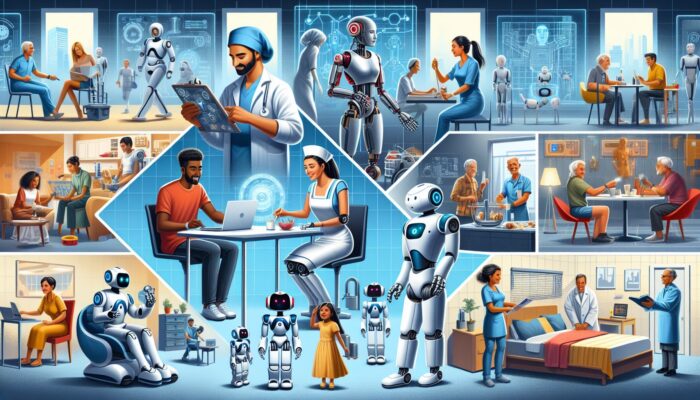
The RoboRevolution: Embracing a Future with our Robotic Companions
Hey there futuristic minds! Ever catch yourself daydreaming about the Jetsons’ world where robots greet you in the morning, fix your breakfast, and maybe even take your dog for a walk? Well, I might have some exciting news for you. We’re far from having humanoid avatars bring us breakfast in bed, but robotics has certainly added an extra skip to our steps these days. Let me tell you about Reg, my remotely-managed cyber-disc at my home office, which scoots around, converting scribbled ideas into captivating designs. It’s a real example of what people call the “Robot Revolution”. This post explores the buzzing new world of automation.
How Robots Are Actually Fitting Into Our Lives
We’re building a weird kind of friendship with robotics, treating autonomous machines like partners in our complicated daily routines. Human-robot collaboration is changing, touching just about every industry you can think of. You see it in factories obsessed with cutting tiny inefficiencies and in hospitals where agile robots help overworked medical staff.
Robots of all shapes and sizes are showing up in classrooms, plants, and homes everywhere. Take classrooms, for instance. Robots like “NAO” are already common in schools, sparking kids’ curiosity and pumping up energy even during those drowsy afternoon sessions. Educational robotics brings real engagement to those pale blackboard lessons, teaching programming or starting endless academic debates. Think of these ceramic shells not as random wheeled gadgets, but as ambassadors to a tech future that’s rewriting how we do things.
When Robots Become Social Creatures
Have you heard of “social robots” yet? They’re like that chatty neighbor, but with apps! Robots like Softbank’s “Pepper” steal the show, with this odd talent for engaging resort guests in conversation. The real challenge isn’t making artificial chatterboxes talk smoothly, but figuring out how our relationships change when we’re mixing with these unexpected companions. This social aspect means we’re building hardware packed with code to address what we’ve mostly ignored in back alleys all this time: human feelings!
Robots making real progress in handling house chores are impressive examples of what’s now possible, smartly fitting into already tech-heavy homes. Last weekend, while binge-watching tech shows and swimming through IoT coverage of random gadgets, I stumbled across Fetch Robotics showing off flexible helpers. These network-connected machines patrol around, managing inventory and tasks with this trustworthy efficiency that bridges the gap between cool tech and actual usefulness.
Looking Ahead: The Complicated Truth
The main worry lurking behind our visions of synthetic bliss isn’t some dramatic robot uprising, but the slower, more complex changes happening right now. We’re dealing with real anxiety about jobs, about human connection, about whether we’re building something that actually helps people. The surgical precision of modern robots creates amazing medical breakthroughs, but it also raises questions about what happens to human skill and intuition.
Are we accidentally creating problems while trying to solve others? Automation can eliminate dangerous jobs, but it also eliminates paychecks. These robots can provide companionship to isolated elderly people, but they might also replace human caregivers. The profit motive driving much of this innovation doesn’t always line up with what communities actually need. We’re building an impressive technological foundation, but the social impact is still messy and unpredictable.
The Reality Check: Safety, Ethics, and Blind Spots
When I think about where we’re headed, I keep running into the same basic tensions. We want the benefits of automation without losing what makes us human. We want efficiency without sacrificing jobs. We want innovation without creating new forms of inequality. Here’s what keeps me up at night:
-
The “Robot Apocalypse” Fear: Most doomsday scenarios are overblown, but the real risks are more subtle. We’re not facing killer robots, we’re facing economic disruption and social isolation wrapped in shiny, helpful packaging.
-
Who Gets to Decide: The companies building these robots are making choices that affect all of us, but most people don’t have a voice in those decisions. Do we want robots that maximize efficiency or ones that preserve human dignity?
-
The Learning Curve: Every new wave of technology creates winners and losers. Are we doing enough to help people adapt, or are we just assuming everyone will figure it out?
What Comes Next: Robots as Teammates, Not Replacements
So here’s where I think we’re really headed. The most successful robot integration won’t be about replacing humans, but about creating better partnerships. Think less “robot takes over factory job” and more “robot handles the dangerous stuff while humans focus on problem-solving and creativity.” The companies getting this right are the ones asking how robots can make human work more interesting, not just more efficient.
I’m cautiously optimistic about what’s coming. Yes, we’ll stumble through some awkward growing pains. Yes, some people will get left behind if we’re not careful. But I’ve seen enough clever applications, from robots helping kids with autism learn social skills to robotic assistants helping elderly people stay independent longer, to believe we’re onto something genuinely helpful. The key is staying honest about the trade-offs and making sure the benefits don’t just flow to people who are already doing well.