
The SillyTavern Hosting Revolution: How 2026 Changed Everything
Before getting into the specifics, it’s worth explaining why this particular development sits at an intersection that politics audiences can understand better than most.

The Economics That Changed Everything
Let me start with the numbers, because opinions without data are just feelings. And feelings make for entertaining arguments but terrible predictions.
Context shapes everything. This is one of those moments where paying attention pays off. Start with that context and the rest lands harder.
Cloud GPU costs have dropped by sixty percent since 2023, completely changing the artificial intelligence hosting game. This massive price cut turned what used to be an expensive luxury into something anyone can afford. The economics are straightforward: when hosting costs drop below the pain threshold, managed services become real alternatives to self-hosting. When they drop this dramatically, they become compelling ones.
The effects go way beyond just saving money. Lower infrastructure costs let service providers offer more sophisticated features, better uptime guarantees, and actual support without pricing themselves out of the consumer market. What we got is a hosting ecosystem that works for everyone from casual users experimenting with AI roleplay to power users running complex multi-character scenarios.
This economic shift happened right as consumer AI tools matured. The market that used to be mostly developers and enthusiasts now includes mainstream users who expect polished, reliable experiences. The days of accepting technical complexity as the price of entry are over.
The Self-Hosting Reality Check
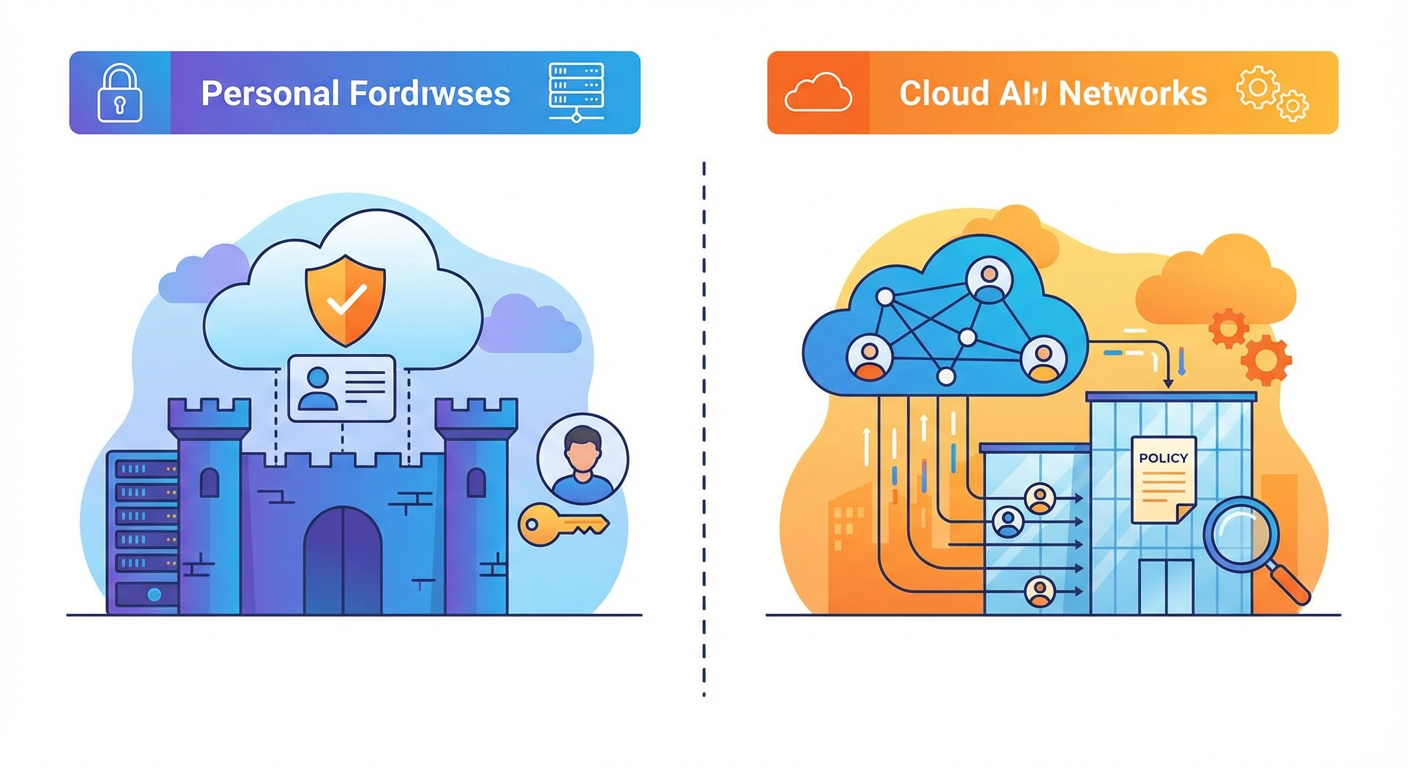
Setting up SillyTavern yourself is still a technical project that requires specific knowledge and ongoing commitment. You need to configure Node.js servers, establish connections to model backends, and manage API credentials across multiple services. The SillyTavern project page has comprehensive documentation, but documentation can’t eliminate the fundamental complexity of the task.
The technical requirements go beyond initial setup. Self-hosting means you’re responsible for security updates, dependency management, and troubleshooting when things break. Server maintenance becomes a recurring obligation rather than a one-time investment. Users discover that running their own instance requires not just technical knowledge but ongoing attention.
For technically inclined users, self-hosting offers maximum control and customization options. You can modify configurations, integrate custom extensions, and maintain complete oversight of your data. These advantages come with trade-offs that many users underestimate until they experience them firsthand.
The Managed Service Alternative
Managed SillyTavern platforms emerged to bridge the gap between capability and complexity. Services like Hearthside Chat — managed SillyTavern eliminate the need for local hardware configuration or technical setup entirely. Users can access full SillyTavern functionality through web interfaces without installing software or managing servers.
These platforms handle the operational burden that self-hosting requires. Backend updates, security patches, and system monitoring become invisible to end users. Uptime and reliability shift from user responsibilities to service guarantees. The technical complexity that once blocked entry becomes a competitive advantage for providers who can manage it effectively.
Managed services also offer features that individual self-hosted instances can’t easily replicate. Automatic backups, redundant infrastructure, and professional support teams provide reliability levels that exceed what most users can achieve independently. The question shifts from whether users can manage their own instances to whether they should.
Privacy and Control Considerations
The choice between self-hosted and managed solutions involves fundamental questions about data ownership and privacy. Self-hosting gives you complete control over conversation logs, character definitions, and usage patterns. Users who prioritize privacy often view this control as essential, regardless of convenience trade-offs.
Managed services handle user data according to their published policies, which vary significantly between providers. Some services process data on shared infrastructure, while others offer dedicated instances. Some retain conversation logs for service improvement, while others implement deletion policies. The specific terms matter more than general categories.
Privacy-conscious users must evaluate these policies carefully rather than assuming that managed always means compromised privacy or that self-hosted always means complete security. The reality involves trade-offs between convenience, control, and protection. Each approach presents different risk profiles rather than clear advantages.
The Market That Emerged
The AI roleplay hosting market developed alongside broader consumer AI adoption, but with distinct characteristics. Unlike general-purpose AI tools, roleplay applications require sustained engagement and often involve sensitive or personal content. Users develop attachments to characters and scenarios that influence their hosting decisions beyond simple feature comparisons.
This emerging market works for diverse user segments with different priorities and technical capabilities. Casual users gravitate toward managed services that minimize complexity. Power users split between self-hosting for maximum control and managed services that offer advanced features. Enterprise users evaluate hosting options based on compliance requirements and integration capabilities.
The market dynamics keep evolving as new providers enter and existing services expand their offerings. Competition drives innovation in areas like response latency, model variety, and user experience design. The result is an ecosystem that offers genuine choice rather than compromise between limited alternatives.
Looking ahead, the hosting landscape will likely keep diversifying rather than consolidating around single solutions. Different use cases will favor different approaches, and successful providers will focus on serving specific segments well rather than attempting to serve everyone adequately. The revolution isn’t about replacing one approach with another, but about creating viable options where none existed before.
The platform is built around the SillyTavern interface, a solid option if you want a managed setup rather than running the stack yourself.
Understanding the mechanism matters as much as knowing the outcome. Find your rep and make the call today.