Why Small-Dollar Fundraising Isn’t the Democratic Panacea We Think It Is (And How to Do It Right Anyway)
The Seductive Promise of People Power
Walk into any campaign headquarters during election season, and you’ll hear the same refrain echoing from volunteers hunched over laptops: “We’re building a movement, not just raising money.” The small-dollar fundraising revolution has grabbed our attention like few political innovations in recent memory. Bernie Sanders proved you could raise millions from average Americans giving twenty-seven dollars at a time. Alexandria Ocasio-Cortez turned grassroots fundraising into an art form. Suddenly, every candidate from school board to Senate was promising to reject corporate money and rely on “the people.”
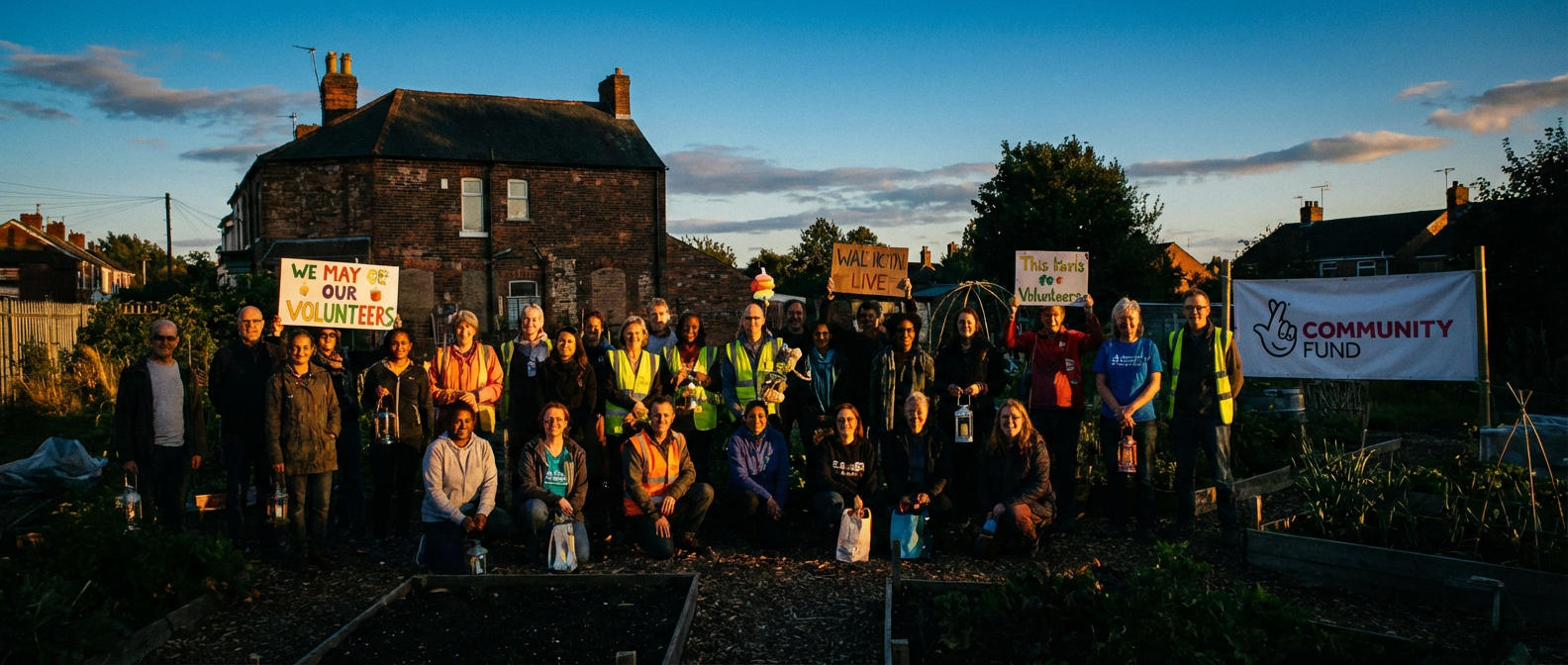
This narrative feels good because it matches what we want democracy to look like. When your neighbor contributes fifteen dollars to a local candidate instead of some faceless PAC writing a five-figure check, democracy seems to work exactly as it should. The contributor feels ownership in the process. The candidate stays independent from special interests. The whole system looks more legitimate, more real.
But I need to slow down our collective excitement here. After spending the better part of two decades watching grassroots campaigns win and lose, I’ve learned that small-dollar fundraising isn’t the magic solution for campaign finance reform or the guaranteed path to victory that its biggest fans claim. It’s a tool. Like any tool, how well it works depends entirely on how you use it.
The Uncomfortable Truths About Grassroots Money
Let’s start with the most obvious problem: small-dollar fundraising costs a fortune to do well. For every dollar you raise online, you might spend thirty to fifty cents on digital advertising, email platforms, payment processing, and staff time. Traditional major donor fundraising has almost no overhead. A single phone call or coffee meeting can bring in thousands of dollars with basically no cost beyond the candidate’s time.
The math gets worse when you think about keeping donors around. That excited first-time donor who gave twenty-five dollars after watching your campaign video? They probably won’t give again. Studies show that small-dollar donor retention rates sit around twenty percent, while major donors who’ve been personally courted by campaigns often give multiple times during an election cycle. Building a real small-dollar operation means constantly finding new donors, which means constantly spending money to find them.
Then there’s the time problem nobody wants to talk about. Good grassroots fundraising eats up enormous amounts of time on content creation, social media management, and digital systems. I’ve watched brilliant local candidates burn themselves out trying to maintain the nonstop online presence that small-dollar fundraising demands, leaving little energy for actually preparing to govern or engaging with their community. The irony stings: while chasing a more democratic funding model, candidates often become slaves to the digital algorithms they claim to oppose.
Maybe most troubling, small-dollar fundraising can actually warp representation in ways we don’t expect. The Americans most likely to make online political contributions don’t necessarily represent everyone else. They’re more likely to be white, college-educated, and well-off enough to have spare money for political causes. A candidate who raises money only from small online donations might be just as out of touch with working-class concerns as one funded by corporate interests.
Where Grassroots Fundraising Actually Shines
But writing off small-dollar fundraising completely would be stupid. When you use it strategically rather than ideologically, grassroots fundraising offers real advantages that no other funding source can match. The trick is understanding what those advantages actually are, not what we want them to be.
The biggest benefit of grassroots fundraising isn’t about money at all. It’s psychological. Every small-dollar contributor becomes invested in your campaign’s success. They’re way more likely to volunteer, show up to events, and most importantly, vote. A donor database isn’t just a funding source. It’s a way to get people involved. I’ve seen local school board candidates turn their modest donor lists into volunteer armies that outworked opponents with ten times their budget.
Small-dollar fundraising also gives you real political independence, but not how most people think. The actual freedom comes from having multiple revenue streams rather than depending on a handful of major donors who might pull their support over a single policy disagreement. A candidate with a thousand small donors can afford to take principled stands that might upset individual contributors. A candidate who depends on twelve major donors operates under very different rules.
Maybe most important, grassroots fundraising makes candidates develop the communication skills they need to govern well. To raise money from ordinary citizens, you have to learn how to explain complicated policy positions in normal language. You have to show real passion for your platform. You have to build trust with people who don’t know you personally. These are exactly the skills that separate effective elected officials from those who just warm seats.
Building a Sustainable Grassroots Operation
The most successful grassroots fundraising operations I’ve seen follow a surprising approach: they start with major donors. This isn’t selling out. It’s being practical. Those initial larger contributions provide the seed money you need to build effective small-dollar systems. Use early major donor money to hire good digital staff, invest in quality content creation, and develop the infrastructure you need for sustained online fundraising.
Focus obsessively on keeping donors rather than finding new ones. Yes, you need fresh contributors, but your most valuable supporters are those who’ve already shown they believe in your success. Develop specific communication strategies for different giving levels. Someone who contributed five dollars deserves different follow-up than someone who maxed out at the individual contribution limit. Personal attention to donors pays off throughout the campaign cycle.
Most importantly, connect your fundraising with real community engagement. The candidates who excel at grassroots fundraising aren’t just asking for money. They’re building relationships. They host regular town halls, maintain active office hours, and treat fundraising conversations as opportunities for civic education. Their small-dollar contributors give money because they’ve seen firsthand how committed the candidate is to responsive governance.
Remember that grassroots fundraising works best when you combine it with other funding sources rather than making it replace everything else. A mixed financial approach gives you both stability and independence. Find major donors who share your values. Apply for grants from issue-based organizations. But build your grassroots operation as the foundation that lets you engage with these other funding sources from a position of strength rather than desperation.
The future of campaign finance won’t be decided by choosing between grassroots purity and pragmatic compromise. It will be built by candidates who understand how to use the unique strengths of small-dollar fundraising while being honest about its limits. If you’re thinking about running for office or supporting someone who is, I’d love to hear about your experiences with different fundraising approaches. What’s worked in your community? What problems have you run into? The best strategies come from honest conversations about both what works and what doesn’t.